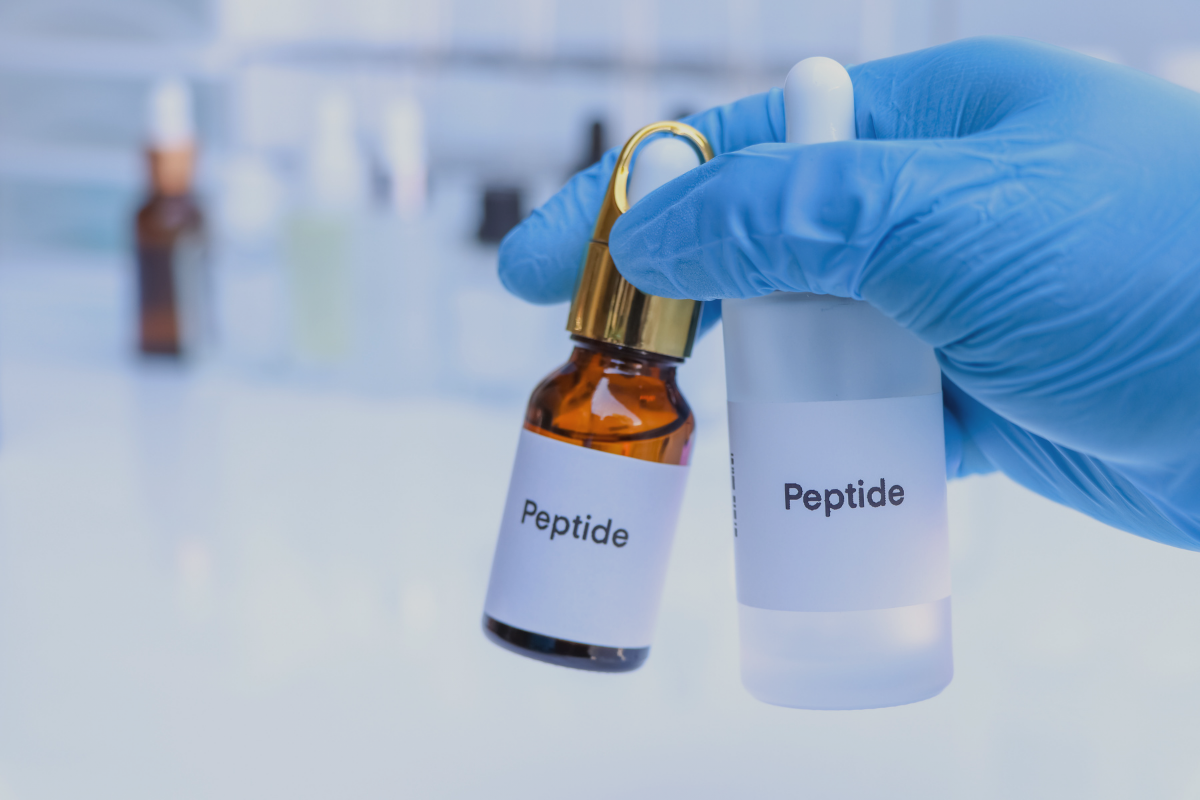
Introduction to Peptides
From hair growth and anti-ageing treatments to muscle building and fat loss, peptides have become one of the most talked-about health and performance products in Australia. But as their popularity continues to grow, many Australians are asking the same question: are peptides actually legal?
Peptides have also attracted significant attention in professional and amateur sport, where certain peptides are prohibited under anti-doping rules due to their performance-enhancing effects.
Peptides are short chains of amino acids, which are often described as the building blocks of proteins. Generally, peptides consist of between 2 and 100 amino acids linked together.
Peptide Regulation in Australia
The use of peptides is governed primarily by:
- the Therapeutic Goods Act 1989 (Cth);
- the Therapeutic Goods (Poisons Standard—June 2026) Instrument 2026 (Cth); and
- the Controlled Substances Act 1984 (SA).
Are Peptides Illegal in Australia?
In Australia, many peptides are regulated as prescription medicines and cannot be legally purchased, possessed, supplied or used without proper medical authorisation.
Which Peptides Are Legal (With a Prescription)?
Many peptides associated with performance enhancement are classified as Schedule 4 (Prescription Only Medicines) under the Poisons Standard, such as:
- Growth Hormone Releasing Peptides (GHRPs);
- Growth Hormone Releasing Peptide-6 (GHRP-6); and
- Growth Hormone Releasing Peptide-2, Pralmorelin (GHRP-2)
These substances must not generally be possessed without lawful authority, such as a valid prescription issued by a registered medical practitioner.1
Schedule 4 substances can generally only be legally obtained and used where:
- a registered medical practitioner issues a valid prescription; and
- the medicine is supplied through lawful channels such as a pharmacy.
Penalties
In South Australia, section 27 of the Controlled Substances Act 1984 (SA) makes it an offence to use, purchase, sell, supply or prescribe a poison or medicine for a purpose prohibited by the regulations, with a maximum penalty of $10,000.
Given the complex and evolving regulatory framework, anyone seeking to purchase, import, sell or use peptides should obtain appropriate medical and legal advice to ensure compliance with Australian law.
Athletes should be aware that even where a peptide has been lawfully prescribed, its use may still have implications under anti-doping rules. Compliance with medicines legislation does not necessarily mean a substance is permitted in competitive sport.
Let us help you
If you require advice regarding regulatory offences, sports law matters, anti-doping issues or compliance obligations, the team at Wadlow Solicitors can assist.
Jordan Barnett recently received recognition for excellence in sports law and has a particular interest in the legal and regulatory issues arising at the intersection of sport, performance enhancement, anti-doping compliance and athlete regulation.
Contact Wadlow Solicitors or call (08) 8212 2955 and schedule an appointment with Jordan Barnett.
1 Clause 3(5) Item 19, 20 of Appendix D of the Therapeutic Goods (Poisons Standard—June 2026) Instrument 2026 (Cth)